
Buying LED video panels can feel confusing. You compare specifications, pixel pitch, brightness, refresh rate, and cabinet sizes. Then someone asks, “What batch are these panels from?” If you’re new to LED walls, that question may seem odd.
The answer is simple. A batch refers to a group of LED video panels manufactured at the same time using the same components and calibration settings. Matching batches help ensure your LED wall looks consistent and performs properly.
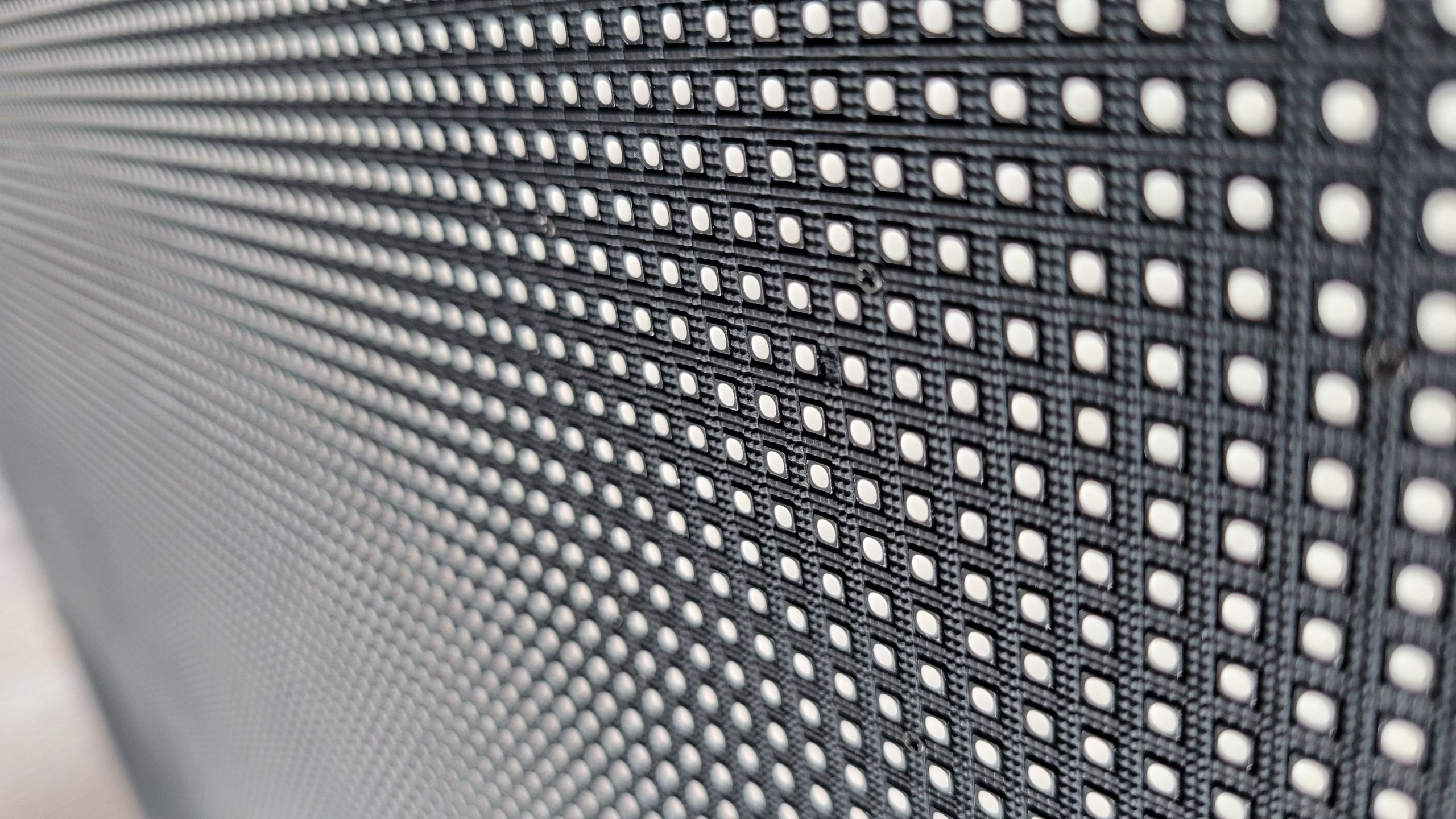
A batch is a production lot of LED video panels built during the same manufacturing cycle. These panels usually use LEDs from the same supplier lot, identical driver ICs, and the same calibration data.
Manufacturers assign batch numbers so they can track production quality and maintain consistency.
This matters because LED walls are made up of many individual cabinets. If those cabinets come from different production batches, slight differences can appear in brightness, color temperature, and uniformity.
That is why LED professionals pay close attention to batch numbers.
LED video walls are designed to look like one seamless display. You do not want one section appearing brighter or slightly bluer than another.
Matching batches help prevent:
Even small differences become noticeable on large displays.
Suppose your church installs a 20-foot LED wall. Two years later, you decide to expand the screen.
If your original wall came from Batch A and the new panels come from Batch C, the colors may not match perfectly. During worship services or live video broadcasts, viewers may notice sections that appear warmer or cooler.
This is why many LED wall suppliers recommend ordering extra spare panels from the same batch.
During production, manufacturers purchase LEDs, driver ICs, power supplies, and PCB boards in lots. Once enough materials are available, they begin a manufacturing run.
Each run receives a batch number. Panels produced during that run share:
These similarities help maintain a uniform image across the entire LED video wall.
LEDs are semiconductor devices. Like any electronic component, slight manufacturing variations occur.
Even when two panels have identical specifications, differences may exist in:
One batch might produce slightly more light output than another.
White may appear cooler or warmer.
Red, green, and blue LEDs can vary slightly from one production run to another.
Factory calibration settings may change over time.
These differences are usually small. Yet on a giant LED display, your eyes can easily spot inconsistencies.
Manufacturers use batch numbers for traceability.
If an issue appears in a production run, engineers can identify:
This makes troubleshooting easier.
For example, if several panels from Batch 241015 develop power supply failures, technicians can isolate the issue and replace affected cabinets more efficiently.
Without batch numbers, diagnosing problems would be much harder.
Experienced LED installers almost always recommend purchasing spare modules or cabinets.
There is a good reason.
LED walls often remain in service for seven to ten years. During that time, manufacturers may discontinue certain LED chips or driver ICs.
If you need a replacement years later, the newer panels might belong to a completely different batch.
The result can be noticeable color differences.
Keeping spare modules from the original batch allows you to maintain image consistency and minimize downtime.
Many installers suggest purchasing:
Having these parts available can save thousands of dollars and prevent delays.
Yes, sometimes.
Modern LED processors and calibration software can reduce visible differences between batches.
Tools from NovaStar and Colorlight allow technicians to adjust:
These adjustments help blend panels from different batches.
However, calibration has limits.
Large differences between production runs cannot always be completely eliminated. Matching batches still provide the best results.
The smaller the pixel pitch, the more critical consistency becomes.
P1.2, P1.5, and P1.8 displays are viewed at close distances. Viewers can easily notice:
High-end environments such as:
usually demand tight batch consistency.
Outdoor displays and larger pixel pitches like P3.9 are more forgiving because viewers stand farther away.
Manufacturers usually place labels on the rear cabinet.
These labels often include:
Your supplier can also provide batch records.
Before purchasing additional cabinets, ask:
This question can save you from expensive color-matching problems later.
Yes, especially if you are investing thousands of dollars into an LED video wall.
Many buyers focus on pixel pitch and refresh rate while overlooking batch consistency.
Yet batch matching plays a major role in:
A lower-priced panel from a random batch may cost more later if replacement panels do not match.
The term batch in LED video panels refers to a group of displays produced during the same manufacturing run using the same components and calibration settings. Matching batches help ensure your LED wall delivers consistent colors, brightness, and overall image quality.
If you are buying an LED video wall, ask your supplier about batch numbers and spare modules before placing an order. It is a small detail that can make a huge difference years down the road.