
Buy the wrong batch, and your brand-new LED wall will show it. Not on day one. On day thirty, when one section starts looking warmer than the rest and nobody can figure out why.
That single detail, the LED Panel Batch, decides whether your video wall looks like one seamless screen or a patchwork of mismatched tiles. It’s the part most buyers skip past while comparing pixel pitch and brightness specs. That’s a mistake, and this guide explains exactly why.
What Is an LED Panel Batch, Really?
An LED Panel Batch is a group of display panels manufactured together, from the same production run, using the same LED chips, drivers, and calibration settings. Panels made in the same batch share consistent color output, brightness levels, and voltage behavior.
Panels from different batches, even if they’re the exact same model number, often don’t. Manufacturers change LED chip suppliers, tweak firmware, or adjust binning tolerances between runs. The result is small but visible differences in how each panel renders color and light.
Think of it like paint. Two cans labeled “eggshell white” from different production dates can dry into slightly different shades. On a wall, you might not notice. On an LED video wall built from mismatched panels, you’ll notice immediately.
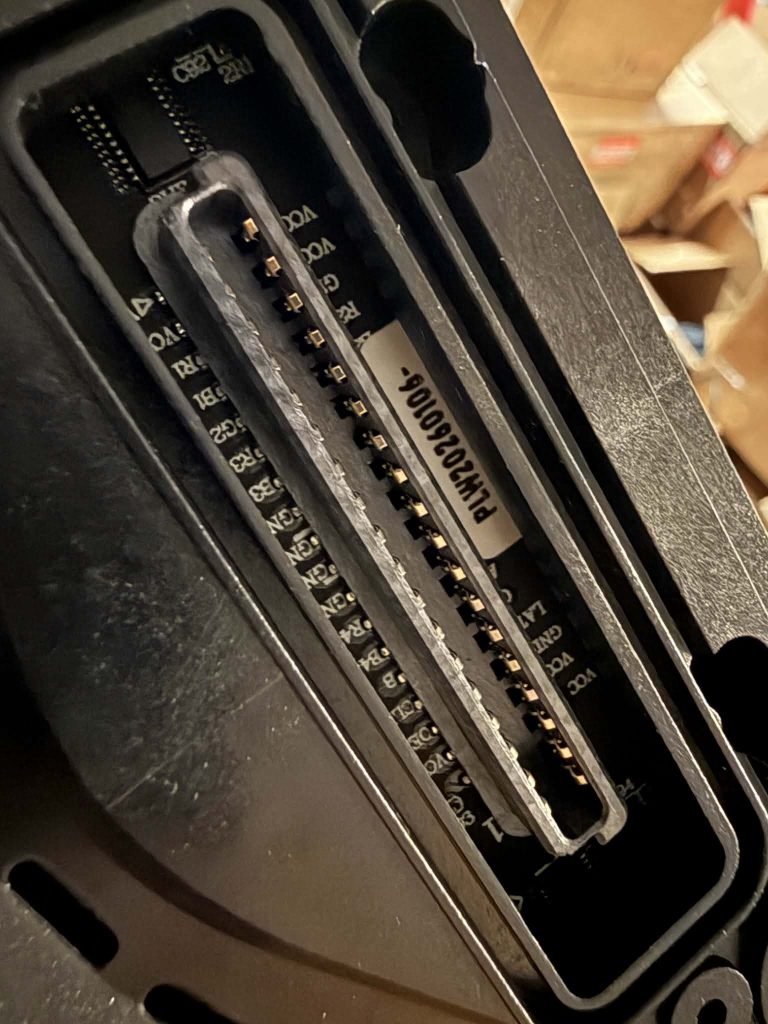
Batch Number Sticker
The Role of the LED Batch Number
Every legitimate manufacturer assigns a LED Batch Number to each production run. This number, usually printed on a label at the back of the panel, tells you when and where the panel was made, and under what production conditions.
When you’re buying panels, especially in bulk, ask for this number before you commit. A supplier who can’t provide it, or who avoids the question, is a red flag. It usually means the panels come from mixed inventory rather than one controlled production batch.
Why LED Panel Batch Is Important When Buying an LED Wall System
Here’s the direct answer, since you’re likely here for it: buying panels from the same batch guarantees uniform color, brightness, and performance across your entire display. Skip this step, and you risk visible seams, uneven brightness, and a shorter lifespan for parts of your wall.
Let’s break that down into the specific problems mismatched batches cause.
Color Consistency Across the Display
LED chips vary slightly even within tight manufacturing tolerances. Manufacturers group chips into “bins” based on brightness and color output, then assign those bins to specific production batches. Panels within the same LED Wall batch use chips from the same bin, so their color output stays consistent.
Mix batches, and you introduce chips from different bins onto the same wall. The differences might be tiny on paper. On a large screen showing solid colors or skin tones, they become obvious strips or blocks of slightly different hue.
Brightness Uniformity
Brightness calibration happens at the factory, batch by batch. A panel calibrated in March might run at a marginally different luminance level than one calibrated in July, even with identical settings applied.
Your eyes catch these differences fast, especially in white or gray content. A wall built from a single batch avoids this problem entirely, because every panel left the factory calibrated the same way, at the same time.
Voltage and Driver Compatibility
Panels from different production runs sometimes use different driver IC batches or firmware versions. That mismatch can cause flickering, refresh rate conflicts, or syncing issues when panels are tiled together and run off the same control system.
This isn’t a cosmetic problem. It’s an operational one. A wall with syncing issues becomes unreliable for live events, broadcasts, or any application where consistent output matters.
Long-Term Reliability
LEDs degrade over time, but the rate of degradation depends on manufacturing quality and the specific chip batch used. Mixed batches age at different rates. Two years in, you might find one section of your wall dimming faster than the rest, forcing an uneven replacement schedule instead of a clean, uniform refresh.
Buying panels from one batch means your wall ages evenly. When it’s time for maintenance or replacement, you’re dealing with one consistent product, not several generations of slightly different hardware.
How to Verify You’re Getting a True LED Wall Batch
Talk is easy. Verification takes a bit more effort, and it’s worth it.
Ask for the Batch Number Upfront
Before you place an order, request the LED Batch Number for the panels you’re buying. A reputable supplier will provide this without hesitation, along with production dates and quality control documentation.
Request Panels From a Single Production Run
If you’re ordering a large quantity, specify in writing that all panels must come from a single production run. Suppliers sometimes pull from mixed stock to fill large orders faster, especially when demand is high. Putting this requirement in your purchase order protects you.
Order Extra Panels From the Same Batch
Spare panels matter. If a panel fails two years after installation, you’ll want a replacement from the same batch, not a new one that clashes visually with the rest of your wall. Order 3 to 5 percent extra panels upfront and store them properly. This is standard practice among experienced integrators, and it saves major headaches later.
Check Physical Labeling
Most manufacturers print the batch number, production date, and sometimes a QR code on a label attached to each panel’s back or cabinet. Before installation, have your installer photograph and log every batch number. This creates a record you can reference if problems show up down the line.
Common Mistakes Buyers Make With Panel Batches
A few patterns show up again and again with buyers who skip this step.
Buying Based on Price Alone
Cheaper quotes sometimes come from suppliers mixing batches to offload older inventory alongside newer stock. The panels might pass a basic quality check individually, but they won’t match visually once installed together. Always ask why a quote is lower than competitors before assuming it’s a good deal.
Assuming Same Model Number Means Same Batch
This is probably the biggest misconception. A model number tells you the panel’s specifications. It says nothing about when or how that specific unit was manufactured. Two panels with an identical model number can still come from completely different batches, with different chip bins and calibration data.
Skipping Batch Verification for Small Orders
Even small installations benefit from batch consistency. A retail display with six panels shows color mismatches just as clearly as a stadium wall with six hundred. Size doesn’t change the physics of how LED chips vary between production runs.
Not Planning for Future Expansion
If you’re planning to expand your video wall later, note the batch number now. When you’re ready to add panels, ask your supplier if they can match that exact batch, or get as close as production records allow. Waiting until expansion day to think about this usually means settling for a visible mismatch.
Questions to Ask Your LED Supplier
Before signing off on any order, run through this short list with your supplier:
- Can you provide the LED Batch Number for this order?
- Are all panels in this order from a single production run?
- What’s your process if a batch runs out mid-order?
- Can you supply spare panels from the same batch for future repairs?
- Do you keep production records I can reference years from now?
A supplier with solid quality control will answer these without friction. Hesitation or vague answers usually signal a shortcut somewhere in their process.
What to Do If Your Supplier Can’t Guarantee a Single Batch
Sometimes a single batch just isn’t available, especially for very large installations or urgent timelines. If that happens, ask the supplier to sort panels by sub-batch or bin grade instead, and request that they group panels with the closest color and brightness values together on specific sections of the wall. This won’t give you perfect uniformity, but it minimizes visible seams far better than random panel placement.
You can also ask for a pre-installation test. Have the supplier power on all panels together in their warehouse before shipping, so any outliers get caught and swapped before your installer ever touches the wall. This costs a little extra time, but it’s far cheaper than discovering the mismatch after the wall is already mounted and wired.
Final Thoughts on Choosing the Right Batch
Pixel pitch, brightness ratings, and refresh rates get most of the attention when people shop for LED walls. Batch consistency deserves just as much focus, if not more, because it directly affects how your wall looks and performs for years after installation.
Ask for batch numbers. Request single-run orders. Buy spares from that same run. These steps take a bit more time upfront, but they’re the difference between a display that looks professionally uniform and one that visibly reveals its patchwork origins.
Your LED wall is a long-term investment. Treat the batch details with the same seriousness you’d give the technical specs, and you’ll end up with a display that actually holds up to scrutiny, from the front row to the back.